
How to avoid injuries when walking downhill: essential tips and techniques
Hiking on trails and mountains is a rewarding activity that allows us to connect with nature and improve our physical condition.
However, one of the most critical moments in hiking is the descent. Walking downhill, although it may seem easier than walking uphill, can put a lot of stress on the joints, especially the knees and ankles, increasing the risk of injury. Here are some essential tips and techniques to help you avoid injury when walking downhill and enjoy your routes safely.
1. Adopt the Correct Posture
Posture is key to reducing the impact on your joints during the descent. Keep your body leaning slightly forward, without leaning too far back, which can overload your knees. Keep your knees slightly bent to cushion the impact of each step and distribute your weight evenly between both feet.
2. Use Hiking Poles
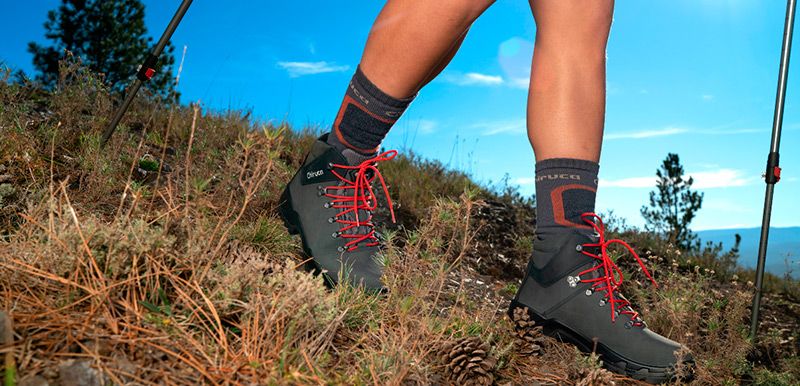
Hiking poles are indispensable allies when it comes to walking downhill. They help maintain balance, reduce the load on the knees and provide an additional foothold. Adjust the poles to a suitable height so that your elbows are slightly bent. Use them to spread your weight and reduce the impact of each step.
3. Choose the Right Footwear
Footwear is essential to prevent injury when walking downhill. Opt for boots or hiking shoes with good grip and support, especially designed for uneven terrain. Good footwear should offer cushioning, stability and ankle protection, minimising the risk of sprains or slips.
4. Control Speed
It is important to control your speed during the descent. Avoid running or walking too fast, as this increases the risk of losing your balance or falling. Keep a steady, leisurely pace, allowing your body to adapt to the terrain and reducing stress on your joints.
5. Take Short, Controlled Steps
Taking shorter, more controlled steps helps to maintain balance and reduce impact on the knees. Try stepping with the whole sole of your foot, rather than just your heel, and use the arch of your foot to cushion each step. This technique also allows you to react better to any unevenness in the terrain.
6. Strengthen your muscles
Muscle strengthening is key to protecting your joints during the descent. Work regularly on strengthening your leg muscles, especially the quadriceps, hamstrings and calf muscles, which are essential for supporting your body weight and controlling your movement when going downhill.
7. Stretch Before and After
Stretching is essential to maintain flexibility and prevent injury. Before you start your ride, do dynamic stretches to warm up your muscles, and at the end, spend a few minutes stretching statically, focusing on your legs and back. This will help reduce muscle stiffness and tension.
8. Listen to your body
Pay attention to your body’s signals during your walk. If you feel pain or discomfort, don’t ignore it. Stop, rest and assess whether equipment or technique needs to be adjusted. Ignoring pain can aggravate a minor injury, turning it into a more serious problem.
9. Hydrate and Eat Right
Hydration and nutrition are key to keeping your muscles in top condition during your walk. Drink water regularly and carry energy snacks such as nuts or cereal bars to keep you active and avoid extreme fatigue, which can increase the risk of injury.
10. Plan your route
Knowing the route well before you start is key to avoiding surprises. Find out about the gradient, the type of terrain and the weather conditions. This way, you can anticipate difficulties and prepare properly, reducing the risk of injury.
Walking downhill can be more demanding than it seems, but with the right posture, the right equipment and some key techniques, it is possible to enjoy the descent without risk of injury. By following these tips, you can protect your joints and fully enjoy the mountain walking experience. Remember that prevention is the best way to ensure that every adventure is safe and enjoyable.